 Visit Edinburgh Guide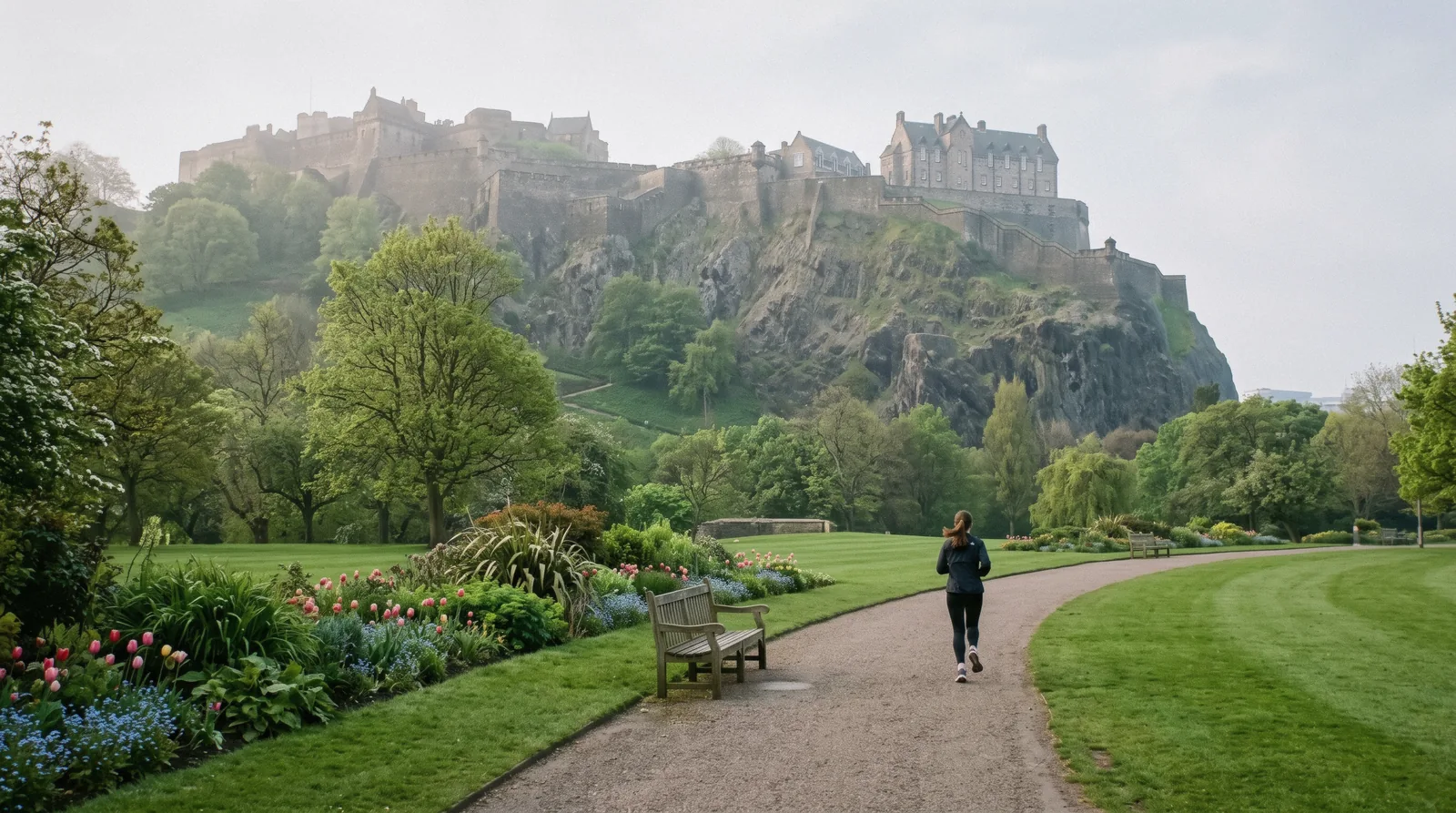
Princes Street Gardens
Princes Street Gardens is the valley the city drained to make room for itself: sixteen hectares of grass, paths and monuments in the trench between the Old Town ridge and the New Town, with the castle rock at one end and Waverley station at the other. It is free, it has no ticket office and the council's own management plan calls it the most visited part of Edinburgh's World Heritage Site. It is also, oddly, the hardest place in the city to get an opening time for: the page the council titles "Princes Street Gardens opening dates" contains no times at all, and the only gate hours we could find in readable form sit inside a management plan that expired in 2020. This page has what the council does publish, what we found when we opened the documents, what shuts the gardens and when, and which of the eighteen gates to use. It is one stop in our guide to Edinburgh, place by place, between the New Town and the Old Town.
Quick answer Free, sixteen hectares, eighteen gates — and no published closing time
Princes Street Gardens is a free public park in the valley below Princes Street, split by the Mound into West Princes Street Gardens (13.0 hectares) and East Princes Street Gardens (3.2 hectares). There is no ticket, no booking and no barrier at any of the eighteen pedestrian gates. What there is not, anywhere on the City of Edinburgh Council's website, is a readable statement of when those gates open and close.
Key takeaways
- The only gate times we could find in machine-readable form are in the council's Princes Street Gardens Management Plan for 2017 to 2020: "The gardens are opened at 7am throughout the year. They are closed 6pm during the winter and at dusk throughout the rest of the year." Why that is the best available answer is the most useful thing on this page.
- The council page actually titled "Princes Street Gardens opening dates" links to a single image-only PDF. We downloaded it on 30 August 2026: it is a contractor's path-closure drawing dated 17 September 2018, for Edinburgh's Christmas that year. It contains no opening times at all.
- Free things inside the railings: the Ross Bandstand, the floral clock, the Category A listed Ross Fountain and the castle view. The one ticket is the Scott Monument at the east end, at £9.00 (about $12), and it belongs to a different venue.
- Guided walks cross the gardens rather than stop in them — a three-hour walk through both towns at £35 is the one that uses the valley properly, and the hop-on hop-off buses all run along Princes Street above it.
Key facts
Opening hours
| Council's own hours pages | No opening time is published in readable form anywhere |
|---|---|
| Management plan 2017–2020 — the only readable figures we found | 07:00–18:00 in winter; dusk for the rest of the year |
| Toilets, Ross Bandstand | 10:00–19:00 |
| Scott Monument, East Gardens — the one ticket inside the railings | 10:00–17:00, closed daily 12:30–13:45 |
Closed None stated. The council says West Princes Street Gardens are "open almost every day of the year, with early closure for events, mainly in the evenings, amounting to less than 2% of normal opening times"
Admission
- Adult
- Free — the whole of both gardens, at any hour they are open
- Reduced
- Not applicable. No part of the gardens is ticketed; the Scott Monument is a separate venue with its own £9.00 ticket (about $12)
- Free
- Everyone, always
Planning it
- Time needed
- Nobody official publishes one. Our routing: 25 minutes to walk the length of both gardens, an hour if you sit down
- Book ahead
- Optional — walk-up usually fine
- Address
- West Princes Street Gardens, Edinburgh EH2 2EG · East Princes Street Gardens, Edinburgh EH2 2EJ — ten pedestrian gates on the west side, eight on the east
There is nothing to buy here, so this compares what it costs to be in the gardens against the paid things that sit inside or above them, and against the guided walks that take you through the valley. Council and Culture Edinburgh figures are the official ones, read on 30 August 2026.
| Way in | Price | What it covers | Cancel | Book |
|---|---|---|---|---|
| Walk in through any of the eighteen gates | Free | Both gardens, the bandstand lawn, the fountain, the floral clock and the castle view | — | Official site |
| Scott Monument climb, East Gardens | £9.00 (about $12); £7.00 child and concession | The climb inside the monument at the east end of the gardens, and the ground-floor displays | Kiosk only, no pre-booking | Official site |
| Three-hour guided walk, Old and New Towns | £35 (about $48) | A guide across the valley the gardens fill, both towns and the streets above them | Free up to 24 hours before | Check Availability |
| Hop-on hop-off bus, 24 hours | £20 (about $27) | The open-top loop along Princes Street with commentary over the gardens | Free up to 24 hours before | Check Availability |
| Food and drink walking tour, both towns | £94 (about $128) | Three hours on foot across the same valley with tastings booked in | Free up to 24 hours before | Check Availability |
The two official rows link straight to the council and to Culture Edinburgh with nothing added to the URL. The three guided rows are affiliate links to GetYourGuide: prices are the operators' own, we take a commission if you book through them, and it costs you nothing extra. Prices and ratings read on 30 August 2026. Guided prices are the operators' own, listed in pounds on GetYourGuide on 30 August 2026, with dollar approximations at £1 = $1.36.
The walks that actually use the valley
No operator sells a tour of the gardens themselves — there is no ticket to resell. These are the products that cross the valley or run along the top of it, which is the closest thing to a guided version of this place. Prices in pounds, ratings and review counts as the operators list them, read on 30 August 2026.
 from £35
Edinburgh: 3-Hour Guided Walking Tour
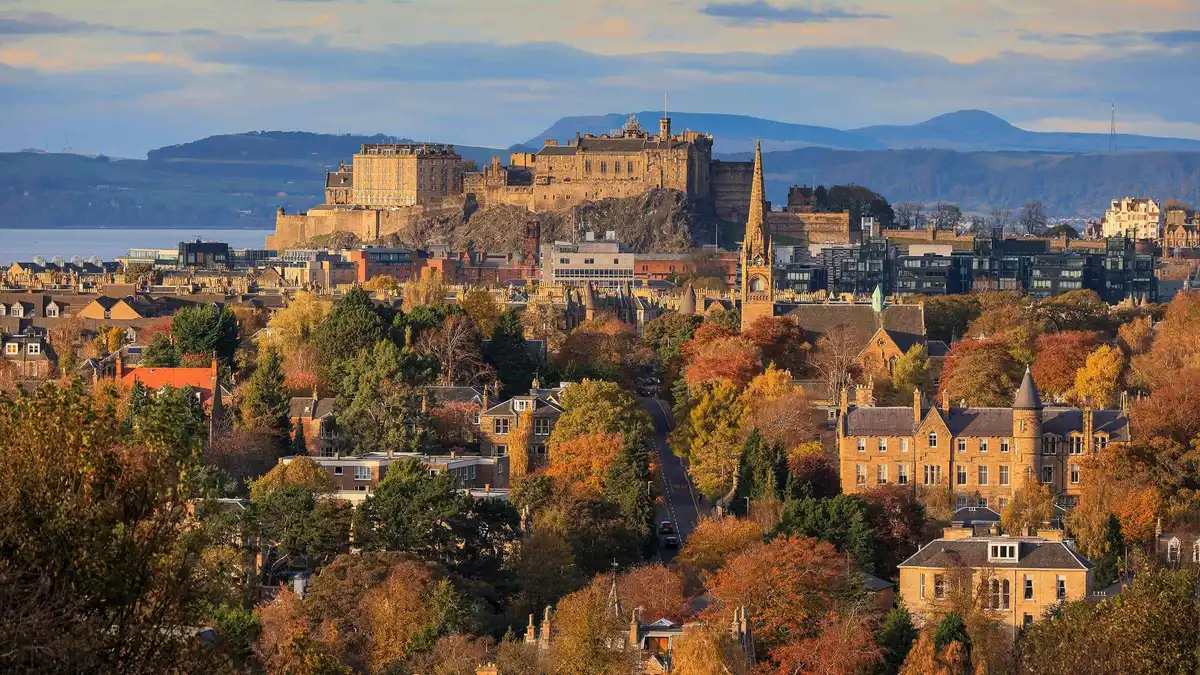
Three hours and nineteen stops, from Usher Hall through the Grassmarket and Royal Mile to the Scott Monument, led by historians. You pass the castle from outside; no entry is included.
Check Availability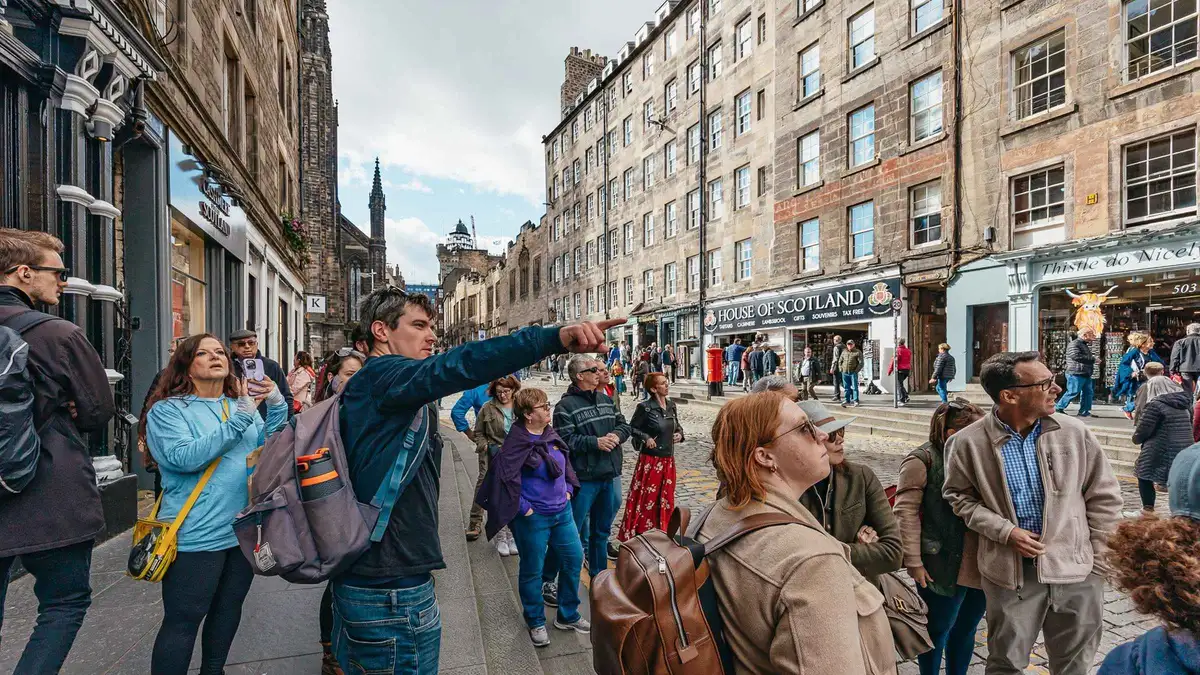 from £18
Edinburgh: Old Town History and Tales Walking Tour
Two hours through the UNESCO Old Town covering Mercat Cross, St Giles' and the Grassmarket, plus the Harry Potter locations. Ends in the centre near bars and transport; English only.
Check Availability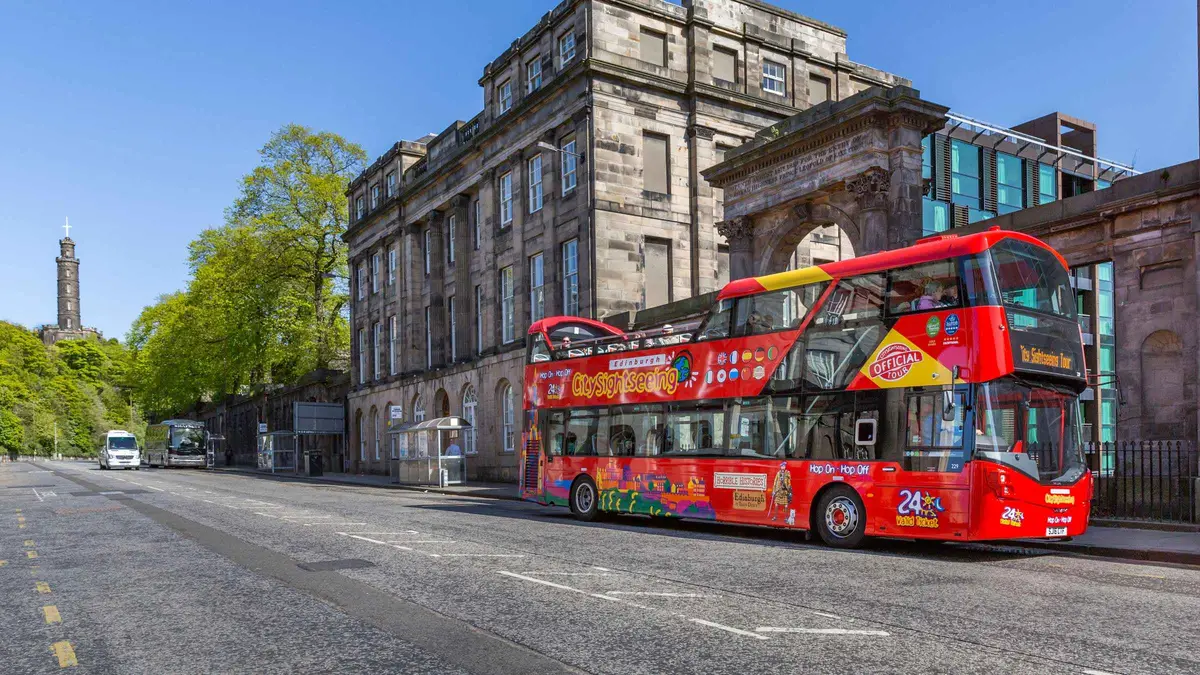 from £20
Edinburgh: City Sightseeing Hop-On Hop-Off Bus Tour
A single 24-hour ticket on one 70-minute loop of 15 stops, with a Horrible Histories children's channel. Up to three kids travel free per paying adult, which the multi-route passes do not offer.
Check Availability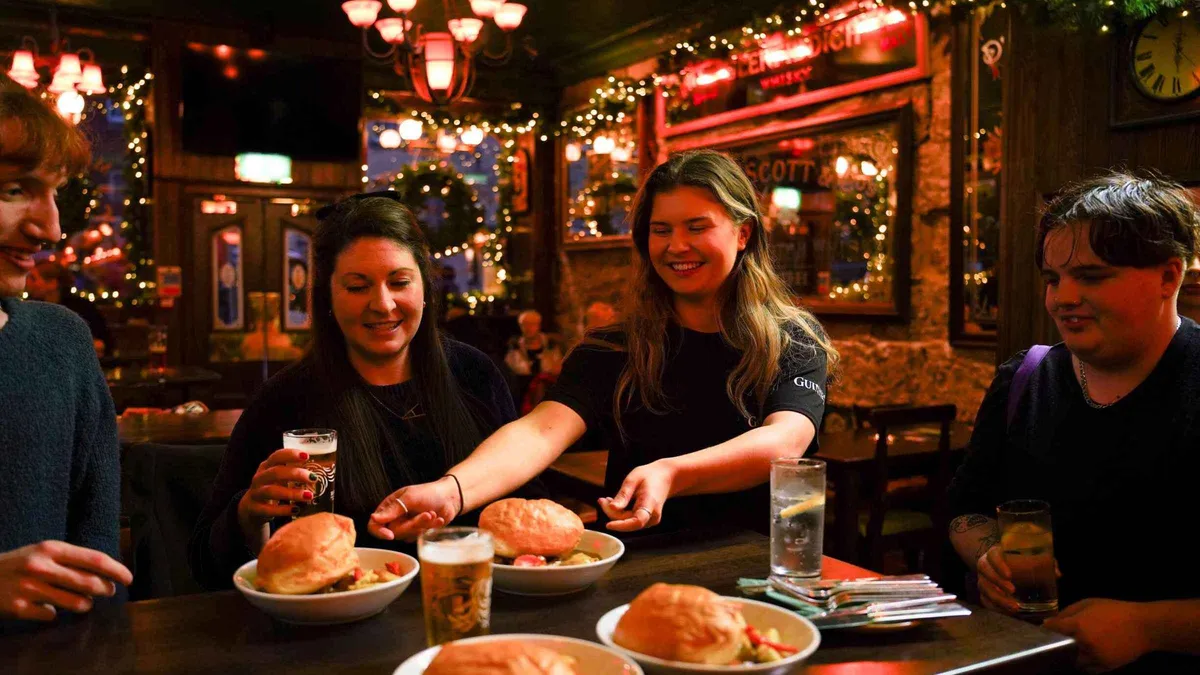 from £94
Eating Edinburgh: New & Old Town Food and Drink Walking Tour
Four tasting stops across the New Town and Old Town in three hours, finishing with dessert on Bank Street. Groups cap at 12, dietary requests go by email, and severe allergies cannot be accommodated.
Check Availability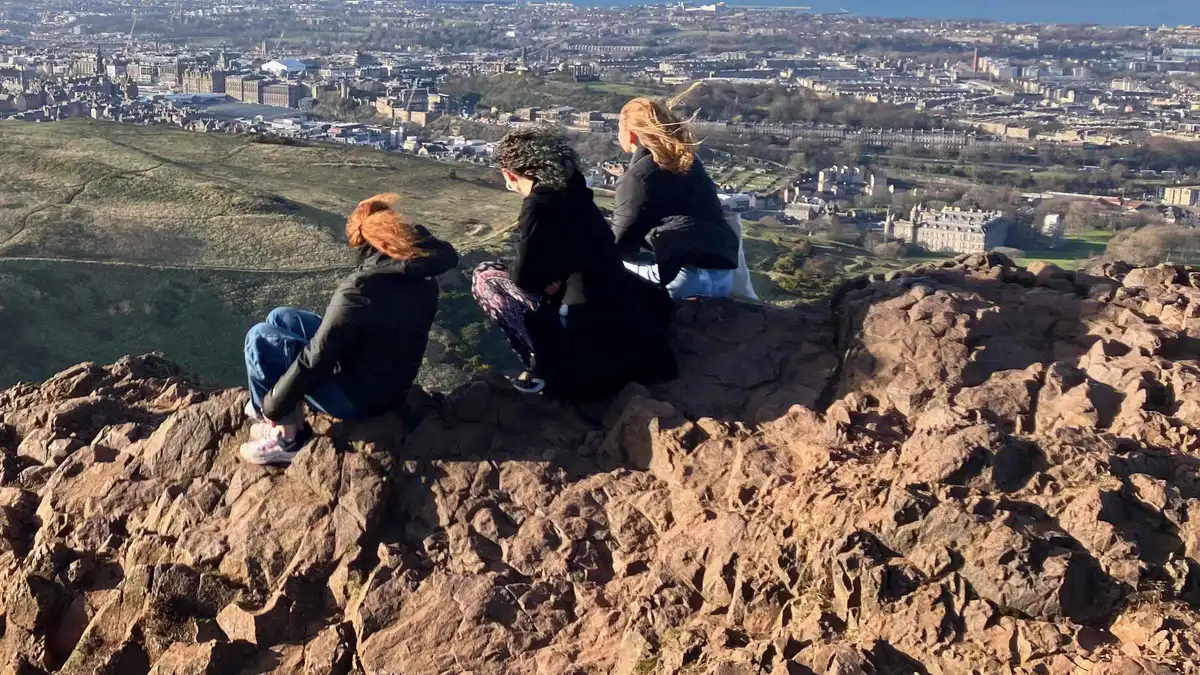 from £26
Edinburgh: Hike Arthur's Seat & Calton Hill
Adds Calton Hill and its monuments to the Arthur's Seat climb, four miles end to end across three hours at a gentle pace. Starts at Waterloo Place and finishes at the Holyrood car park.
Check Availability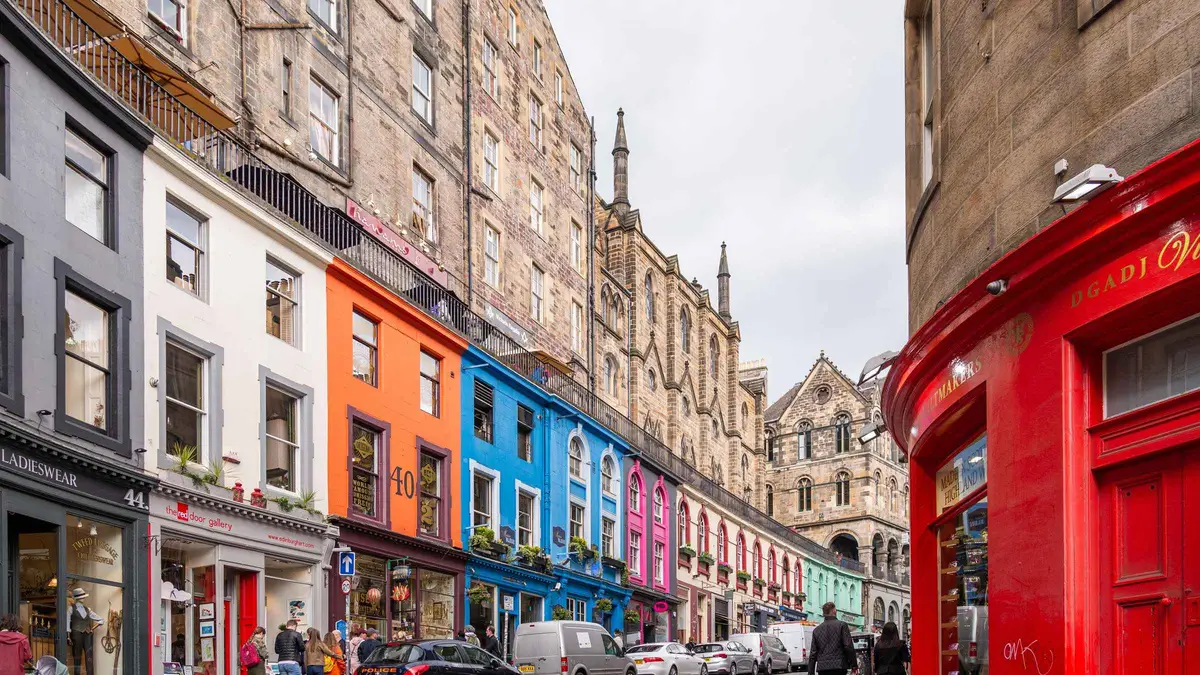 from £18
Edinburgh: Harry Potter Magical Guided Walking Tour
Two-hour walk between Greyfriars Kirkyard, Victoria Street and the Grassmarket, with a house-sorting quiz along the way. Runs in six languages, and the listing states plainly that no film scenes were shot in Edinburgh.
Check AvailabilityPrices, ratings and details are the platform's own, checked 2026-08-30; dollar figures are the listed prices — the platform bills in your account's currency.
Princes Street Gardens opening times: what the council actually publishes
We went looking for a closing time on 30 August 2026 because a reader planning a summer evening or a winter photograph needs one. Here is every document we opened and what each of them turned out to contain.
Start with the page that is literally called it. The council publishes a downloads entry titled "Princes Street Gardens opening dates", and the entire page is a heading and a link to one 300 kB PDF called "Princes Street Gardens restrictions".
| Source we opened | What it is | Gate times it gives | Age |
|---|---|---|---|
| "Princes Street Gardens opening dates" download page | A heading and a link to one PDF | None | Undated |
| The PDF behind it, "Princes Street Gardens restrictions" | An image-only path-closure drawing for Edinburgh's Christmas | None — refers to "winter park opening hours" without defining them | Revised 17 September 2018 |
| Princes Street Gardens Management Plan | A 68-page park management plan | Opened 07:00 all year; closed 18:00 in winter, at dusk otherwise | Covers 2017 to 2020 |
| West Princes Street Gardens directory record | The play-area entry, with the postcode and a phone number | "Opening times: not specified" | Current |
| Management Rules for Public Parks and Greenspace | The byelaws, made under the Civic Government (Scotland) Act | None — but makes it an offence to remain in a park "when it is closed to the public" | Renewed 2014 |
We downloaded that PDF. It has one page, it contains no text layer at all — pdftotext returns nothing, because there is not a single font embedded in the file — and when rendered as an image it is a contractor's drawing: "East Princes Street Gardens, Path Plan D1, Edinburgh's Christmas 2018", drawn by DW, revised 17 September 2018.
What is actually inside that PDF
It is a colour-coded plan of which footpaths through the East Gardens shut while the Christmas market is built: magenta closed 24 October to 16 November, blue open 24 October to 11 November then closed 12 to 16 November, and so on. The only sentence in it that touches on hours is a note in the corner reading that the "Path Open" periods "will only be during winter park opening hours" — a phrase that assumes the reader already knows what those hours are. Nothing on the page defines them.
The document also promises that "there is a commitment to try and keep at least one route open at all times", which is the most reassuring thing in it and eight years old.
The one readable answer, and why we still print it
Buried on page 16 of the management plan, under the heading Personal Security rather than anywhere a visitor would look, is the only clear statement of gate hours the council has published anywhere we could reach: "The gardens are opened at 7am throughout the year. They are closed 6pm during the winter and at dusk throughout the rest of the year." Park rangers, based in the Cottage in West Princes Street Gardens, patrol daily.
That plan covers 2017 to 2020. It has expired. We print it anyway, clearly labelled, because it is the only figure in existence and because a stale published time is more use to somebody standing at a gate at dusk than no time at all. Treat it as a strong hint, not a guarantee: 07:00 is a safe morning assumption, and after sunset in winter you should expect the gates to be shut rather than be surprised by it.
The reason this matters more than it sounds: the byelaws make "entering into or wilfully remaining in a Park when it is closed to the public" a prohibited act, enforceable by a council official or ranger asking you to leave, with refusal an offence carrying a fine at level one on the standard scale. The city has therefore made it an offence to stay past a closing time that it does not publish in any form a visitor, a screen reader or a search engine can read.
What is published, clearly, and is worth having
Two things are published clearly and are worth having. First, the frequency of closure: the council states that West Princes Street Gardens are "open almost every day of the year, with early closure for events, mainly in the evenings, amounting to less than 2% of normal opening times". Second, the cap: its consultation page states that "the maximum number of major events allowed at the Ross Bandstand and surrounding Gardens is four" — the Winter Festival, the Summer Festival and a September event, with a proposal to add one in May — and that events must leave the gardens "fully open except for ticketed event performance days, with only limited and managed partial closures permitted outwith those times".
So the practical rule is simple even if the times are not: on the overwhelming majority of days the gardens are open from early morning until dusk and nothing stops you walking in. What closes them and when has the pattern.
East and West: two gardens, one name, one railway between them
People say "Princes Street Gardens" and mean whichever half they walked into. They are different sizes, different shapes and different experiences, split by the Mound and stitched together by the railway that runs along the bottom of the valley.
The ground under both was the Nor Loch, the artificial lake that defended the north side of the Old Town and became, over three centuries, the city's sewer. Draining it made the valley; the West Gardens were laid out in 1820 and the East in 1830, both dates from the council's own management plan.
| West Princes Street Gardens | East Princes Street Gardens | |
|---|---|---|
| Size | 13.0 hectares | 3.2 hectares |
| Laid out | 1820 | 1830 |
| Postcode | EH2 2EG | EH2 2EJ |
| Pedestrian gates | Ten | Eight |
| What is in it | Ross Bandstand, Ross Fountain, floral clock, play area, cafe, kiosks, toilets, the castle banks | Scott Monument, tree-lined paths, formal bedding, a kiosk, toilets |
| What takes it over | The Summer Festival stage and the Hogmanay concert | The Christmas market and funfair, from late autumn |
The railway into Waverley was cut through the bottom afterwards, which is why you stand on a lawn in the middle of a capital city and hear a train underneath you.
The council's plan describes the setting without much restraint and is not wrong: the valley "between these two contrasting historic areas of the city, with Edinburgh Castle on its rock towering above the western end, create urban scenery which is without parallel within the UK". More usefully for a visitor, it also calls the gardens "the most visited part of the World Heritage Site" — more than the castle, more than the Royal Mile, because everyone crosses them.
What is in each half
The West Gardens are the bigger and the one people picture. The council's inventory lists the open-air Ross Theatre — the Ross Bandstand — a cafeteria, refreshment kiosks, an events area, a children's play area and toilets with disabled access and baby-changing. The play area is themed for toddlers and juniors around a large wooden castle with a slide and climbing nets. Above the lawns rise the castle banks, leased from the Crown Estate rather than owned outright, which is why that slope is managed as grassland and woodland belts rather than mown. Thirteen gardeners and two apprentices work the gardens with four park rangers, and a 2006 survey recorded 1,086 trees.
The East Gardens are smaller, flatter and busier, because they are the strip everyone walks between Waverley station and Princes Street: tree-lined paths, formal bedding, a refreshment kiosk, accessible toilets and, in the council's words, "for a small charge, a climb up the Scott Monument". That Category A listed monument of 1846 is the only ticket in either garden, and its hours, daily lunch closure and kiosk-only booking rule are on the Scott Monument page. Around it stand the John Wilson monument of 1865, the David Livingstone monument of 1876, the Adam Black monument of 1877 and the International Brigade memorial. This is also the lawn the Christmas market and funfair are built on, which is why the eight-year-old path drawing the council still serves as its opening-times document is a drawing of this garden and not the other one.
The Ross Bandstand: the most argued-over stage in Scotland
The shallow concrete amphitheatre below the castle rock is where Hogmanay is broadcast from and where the city has been failing to agree on a replacement for a decade. If you visit on an ordinary Tuesday you will find it empty and looking every one of its years.
A bandstand was gifted to the gardens in 1877; the structure and terraces you see now date from 1935, according to the Wikipedia article on the gardens. Since then it has been the city's default open-air stage: pipe bands, the Edinburgh Jazz and Blues Festival, memorial services, festival carnivals and the Hogmanay concert that is broadcast from it. The council's own sample events list for a single year runs to more than a dozen bookings between April and December, almost all of them in the West Gardens.
The honest visitor summary is that the bandstand is not an attraction. There is no ticket and nothing to go inside; the terraces are a good place to sit with the castle above you. It becomes the point of the gardens perhaps twenty evenings a year, and on those evenings the lawn around it is fenced and ticketed.
What happens next to it, and why it has taken so long
The Ross Development Trust was created in 2016–17 to redevelop the bandstand, the fountain, the gardener's cottage and the wider West Gardens landscape; an international competition picked a scheme by the practice wHY, described in the council's plan as "an organic landscape-focused scheme" with "a new undulating promenade, sculptural seating and dynamic open views". Work was anticipated to start in 2020. It did not.
What exists now is a consultation rather than a building site. The council has asked the public about "potential improvements and the type of events and cultural activities that could be hosted" at the bandstand and the surrounding gardens, and in the same document set out the current cap: a maximum of four major events, the Winter Festival, the Summer Festival and a September event, with a proposal to add one in May and to run a Summer Festivals stage of low-impact activity for up to eight weeks. The gardens, it stresses, "remain fully open except for ticketed event performance days".
For a visitor that translates into one sentence: nothing is being built while you are here, and the odds that your visit collides with a fenced-off lawn are low but not zero. The festivals page has the seasons in which they are highest.
The floral clock, and the six weeks that go into it
The oldest floral clock in the world sits at the foot of the Mound in the West Gardens, opposite the Royal Scottish Academy, and it is the one thing in these gardens that changes completely every year.
It was first planted in 1903 by John McHattie, then Edinburgh's Parks Superintendent, and the council states it is the oldest of its kind anywhere. A cuckoo was added in 1952; the mechanism was wound by hand until 1972. The clock's face is planted afresh each summer to a design that commemorates a chosen anniversary or organisation, and the mechanism underneath really does keep time.
The scale is the surprising part. The management plan puts a typical display at 30,000 plants; the council's announcement for the 2026 clock, which the Lord Provost opened on 30 July 2026, gives around 35,000 flowers and plants across 200 square metres, planted by a team of three gardeners over six weeks. The 2026 design was co-designed with the gardening charity Trellis for its twentieth anniversary, using antennaria, crassula, echeveria, sedum and saxifrage alongside annuals such as pyrethrum, begonias and geraniums.
The practical note: it is a summer object. No planting or lifting date is published beyond the opening announcement, so a visit in February finds a bare bed. Come between late July and the first frosts, and expect a small crowd at midday when the cuckoo is the draw.
The Ross Fountain and the monuments nobody stops at
The council describes "a diverse and fascinating collection of public monuments and memorials dating mainly from the 1840s to 1990s", in three groups: eminent Scots, war memorials, and everything else. Almost all of them are listed buildings, and almost nobody reads the plaques.
The Ross Fountain is the one worth crossing the grass for. Historic Environment Scotland lists it at Category A, listed on 14 December 1970: cast iron by Antoine Durenne of Sommevoire in 1862 to a design by the sculptor Jean-Baptiste Klagmann, with four female figures representing Science, Art, Industry and Poetry.
| Monument | Where | Date | Listing |
|---|---|---|---|
| Scott Monument | East Gardens | 1846 | Category A |
| The Ross Fountain | West Gardens | Cast 1862, erected 1872 | Category A |
| Allan Ramsay monument | West Gardens | 1867 | Category B |
| John Wilson monument | East Gardens | 1865 | Category B |
| David Livingstone monument | East Gardens | 1876 | Category B |
| The Scottish-American war memorial, The Call | West Gardens | 1924–27 | Category B |
It was shown at the International Exhibition in London in 1862, bought by the Edinburgh gunsmith Daniel Ross and presented to the city, and finally erected in the gardens in 1872. It was restored in 2001 by the council with East of Scotland Water, and again in 2018.
It also came with a review. Dean Ramsay, whose own memorial stands a short walk away in the same gardens, called the fountain "grossly indecent and disgusting; insulting and offensive to the moral" sensibilities of the city — a judgement quoted in its Historic Environment Scotland listing, and the reason it is worth looking at the figures properly rather than photographing the castle behind them.
The rest of the collection
Also in the West Gardens: the Genius of Architecture statuary group of 1871, the Sir James Young Simpson and Dean Edward Ramsay monuments, the Royal Scots Greys memorial of 1906, the Dr Thomas Guthrie monument of 1910, the Royal Scots war memorial of 1950–52, the Norwegian stone, a listed police box, and the Robert Louis Stevenson memorial of 1992 — a grove of birch trees with an inscribed column base rather than a statue, which is why people walk through it without noticing. All of them are looked after by the council's Museums and Galleries section rather than the parks service.
The gardens themselves are on the Inventory of Gardens and Designed Landscapes in Scotland, assessed as outstanding for aesthetic, historical, architectural and scenic value, and sit inside either the New Town or the Old Town Outstanding Conservation Area — the boundary between the two being the north fence of the railway.
What closes the gardens: events, the winter build and the paths
The gardens are open almost every day. The exceptions are predictable enough to plan around, and the biggest of them lasts about two months.
The winter takeover is the one that surprises visitors. From late autumn, East Princes Street Gardens stops being a park and becomes a market: stalls, a big wheel and fairground rides built on the lawn between the Scott Monument and Waverley Bridge, with the paths through it re-routed while the build goes up. That is exactly what the council's eight-year-old path drawing documents — closures from 24 October to 16 November for Edinburgh's Christmas 2018 — and the shape of it has not changed, even if the dates have.
What we cannot give you is this winter's dates. Edinburgh's Christmas and Hogmanay are now produced together under the EdWinterFest brand, and when we checked on 30 August 2026 the organiser had published no dates, no locations, no opening hours and no prices for the 2026 season; the old edinburghchristmas.com address did not resolve at all. Treat any November date you find on a blog as unsourced until the organiser prints one. The festivals page and the events calendar carry whatever has actually been announced.
The rest of the year
The West Gardens carry the ticketed events, capped at four major ones a year. On a performance day the bandstand lawn is fenced and ticketed while the rest of the gardens stay open, and the council puts the whole of it at "less than 2% of normal opening times" — roughly a week of evenings spread across a year. That is the single most reassuring number on this page.
The other closures are maintenance and weather: vehicles come in daily to service the toilets and bins, restricted to two entrances and held to five miles an hour, and high winds close paths under the big trees. After a major event, expect the lawn to look like a lawn that has had ten thousand people on it — the council's own notes record that it recovers only reinstatement costs and that the gardens are "always just recovering from the last event".
The rules, which are stricter than they look
The gardens are governed by the council's Management Rules for Public Parks and Greenspace, made under section 112 of the Civic Government (Scotland) Act. Most of it is what you would expect — no litter, no fires, dogs under control and out of the play area, cycling in line with the Scottish Outdoor Access Code — but three rules catch visitors specifically.
Ball games are banned here by name: rule 4.5 prohibits "ball games in Princes Street Gardens and Saughton Walled Gardens", the only two parks in the city singled out. Busking and begging are prohibited outright, which is why the pipers work the pavement above rather than the lawn below. And rule 4.13 prohibits "any commercial activity whatsoever (including, without limitation, dog walking services, photography, filming and fitness training services)" without the council's written permission — so a paid photo shoot among the daffodils needs a permit, whatever the photographer tells you.
Enforcement is by rangers and council officials asking you to leave; refusing is an offence carrying a fine up to level one on the standard scale. In practice the rangers, four of them for sixteen hectares, work by persuasion — the council's own plan says they have "no powers to apprehend, fine or prosecute" and rely on "gentle, friendly persuasion".
Which gate, and the walk that is actually worth doing
Ten gates on the west, eight on the east, and no signage that tells you which one puts you where. These are the four that matter and what each is for.
From Waverley station, come out onto Waverley Bridge and the East Gardens gate is directly across it, thirty seconds away. Nothing else in the city puts grass that close to a mainline platform, which is why the East Gardens feel like a thoroughfare rather than a park.
From the Mound, between the Royal Scottish Academy and the National Gallery, steps drop into both gardens. Going west from here is the walk to do: past the floral clock, along the foot of the castle rock, past the Ross Fountain and the bandstand, out at the west end by Lothian Road. About twelve minutes at a stroll, all of it downhill in the direction that keeps the castle in front of you.
From the west end of Princes Street, the gate opposite Johnnie Walker Princes Street is the quiet one, and puts you at the fountain within two minutes.
From the Old Town, there are pedestrian links down from the closes and from the castle esplanade — steep, unlit at night, and the reason a winter gate closure matters more than it sounds.
- Toilets: at the Ross Bandstand in the West Gardens, open 10:00 to 19:00; another block in the East Gardens
- Play area: West Gardens, wooden castle with slide and climbing nets, for toddlers and juniors
- Cafe and kiosks: one cafeteria and refreshment kiosks in the West, a kiosk in the East
- Seating: benches throughout, inspected and repaired by the parks team
- No car parking inside either garden, at all — the nearest are the pay-and-display and NCP car parks on Castle Terrace and at Waverley
Getting there without walking
Almost every city bus route runs along Princes Street above the gardens, and the tram runs the length of it — trams were confirmed running the full route, every seven minutes, when we checked the operator's status page on 30 August 2026. Fares and the daily cap are on getting around Edinburgh.
Step-free access is mixed. There is level access from Princes Street into the East Gardens near the Scott Monument, several West Gardens gates are steps only, and the council has proposed "additional ramp access to Princes Street Gardens" as part of a wider Princes Street scheme — which tells you what it thinks of the current arrangement. The accessibility page has the city-wide picture.
Princes Street Gardens map: the gates, the fountain and the bandstand
The two gardens, the four gates worth knowing and the things inside them that people come to find. Coordinates come from Wikidata and from the council's own published addresses; the gardens' own pin is Wikidata Q980646, read on 30 August 2026.
Next stop from the gardens
Walk minutes are our estimates from the GPS distances, measured from the middle of the West Gardens.
The Scott Monument
The Gothic rocket at the far end of the East Gardens, and the only ticket in either garden at £9.00 (about $12). It shuts for lunch between 12:30 and 13:45 every day and sells only at its own kiosk — the Scott Monument page has the hours before you queue.
6 min walk eastThe Scottish National Gallery
Free entry, daily 10:00 to 17:00, at the top of the steps on the Mound between the two gardens — the obvious move when the rain starts, and it is one of the few free indoor rooms right beside a park. The gallery page has what to see in an hour.
3 min walk up the stepsJohnnie Walker Princes Street
Straight across the road from the west gate: eight floors of Johnnie Walker with a rooftop cocktail bar that needs no ticket and looks back over the gardens to the castle. The Johnnie Walker page sets out what each experience costs and why nothing is distilled there.
8 min walk to the west endPrinces Street Gardens questions
What time do Princes Street Gardens open and close?
Nobody publishes it in a form you can read. The council page titled "Princes Street Gardens opening dates" links only to an image-only PDF that turns out to be a 2018 path-closure drawing with no times in it. The one readable statement we found, in the council's Princes Street Gardens Management Plan for 2017 to 2020, is that "the gardens are opened at 7am throughout the year. They are closed 6pm during the winter and at dusk throughout the rest of the year." That plan has expired, so treat it as the best available figure rather than a promise — here is every document we opened and what each one contained.
Are Princes Street Gardens free to visit?
Yes, completely. There is no ticket, no booking and no charge at any of the eighteen gates, for either garden, at any hour they are open. The only thing you can pay for inside the railings is the climb up the Scott Monument in the East Gardens at £9.00 (about $12), and that is a separate Culture Edinburgh venue with its own hours and its own kiosk. Everything else — the bandstand terraces, the Ross Fountain, the floral clock, the castle view — costs nothing.
What is there to see in West Princes Street Gardens?
The bigger of the two halves, 13.0 hectares under the castle rock. In it: the Ross Bandstand, the Category A listed Ross Fountain of 1862, the floral clock first planted in 1903, a children's play area with a wooden castle, a cafeteria and kiosks, toilets open 10:00 to 19:00 at the bandstand, and a set of war memorials including the Scottish-American memorial The Call. The council's own management plan calls the whole valley "the most visited part of the World Heritage Site".
What is the Ross Bandstand and can you visit it?
It is the open-air stage and terraces in the West Gardens below the castle. A bandstand was gifted in 1877 and the present structure dates from 1935; it hosts the Hogmanay concert, the summer festival stage and a dozen smaller bookings a year. You can walk up to it and sit on the terraces any day for nothing — there is no tour and nothing to go inside. On the handful of ticketed performance days the lawn around it is fenced. What happens to it next covers the stalled redevelopment and the four-event cap the council currently applies.
Where is the floral clock in Edinburgh and when is it planted?
At the foot of the Mound in West Princes Street Gardens, opposite the Royal Scottish Academy. It was first planted in 1903 by the city's then Parks Superintendent John McHattie and the council calls it the oldest of its kind in the world; a cuckoo was added in 1952. It is replanted to a new design every summer — the 2026 clock was opened by the Lord Provost on 30 July 2026 and uses around 35,000 plants across 200 square metres, six weeks' work for three gardeners. The full detail is here. Out of season the bed is bare, so it is a summer object.
Can you have a picnic or play football in Princes Street Gardens?
Picnic yes, football no. The council's Management Rules prohibit "ball games in Princes Street Gardens and Saughton Walled Gardens" by name — these two parks are singled out in the byelaws. Barbecues are prohibited outwith designated sites, open fires need written permission, busking and begging are prohibited, and any commercial photography or filming needs the council's written permission first. Sitting on the grass with lunch is exactly what the gardens are for; the rules in full are worth thirty seconds if you were planning anything more organised.
Are Princes Street Gardens closed for the Christmas market?
Part of them, for part of the winter. The market, the big wheel and the funfair are built in East Princes Street Gardens, and the council's own path drawing for a previous year shows footpaths through that garden closing from late October into November while the build goes up, with a commitment to keep at least one route open at all times. The West Gardens stay open. We cannot give you this winter's dates: when we checked on 30 August 2026 the organiser had published no dates, locations, hours or prices for the 2026 season at all — the festivals page carries whatever has since been announced.
How long do you need in Princes Street Gardens?
Nobody official publishes a figure. Our routing: about twelve minutes to walk the length of the West Gardens from the Mound to the west gate, twenty-five to do both gardens end to end, and an hour if you sit down at the bandstand or the fountain. As a stop on a day it works best as the connection between the two towns rather than a destination — where it fits in a day puts it in an order that works, and the Old Town and New Town pages have what is at either end.
Where the gardens fit in a day
This is a connecting space, and the best way to use it is to stop treating it as a stop.
The version that works: come down the steps from the Mound after the Scottish National Gallery, walk west under the castle rock past the floral clock, the fountain and the bandstand, and come out at Lothian Road. Twelve minutes, no ticket, and you have crossed between the two towns on grass instead of a pavement full of buses. Do it the other way in the evening and the castle is lit above you the whole walk.
The thing to avoid is planning an evening around it in winter without checking. Sunset in Edinburgh in December is before 16:00, the only figure anybody publishes has the gates shut at 18:00 in winter, and the byelaws make staying past closing an offence — so the winter version of this walk is a lunchtime walk.
The one-line version
Free, sixteen hectares, open from about 07:00 until dusk on the only figure anyone publishes, and the best twelve-minute walk in central Edinburgh. Come between late July and the frosts if you want the floral clock, avoid the East Gardens from late October if you want a park rather than a funfair, and take a guided walk across both towns at £35 if you want somebody to tell you what the monuments are while you pass them.
Princes Street Gardens on film
Three walk-throughs that show the scale of the valley and what the paths actually look like — useful because photographs of the castle from the lawn never show how long the gardens are.
EDINBURGH CITY WALK | Princes Street Gardens | Scotland Walking Tour | 4K
The full length of the gardens at walking pace, which is the best way to judge the twelve-minute route on this page.
Video: Walking Through Scotland4K Walk in Edinburgh | West Princes Street Garden | Edinburgh Like a Local
The West Gardens specifically — the bandstand lawn, the fountain and the castle banks above them.
Video: Edinburgh Like A LocalA Walk Through Princes Street Gardens | Edinburgh in Bloom: Spring 2026
Filmed this spring, and the clearest look at what the beds do when the planting is at its best.
Video: Edinburgh VideosVideos load from YouTube only when you press play.
Page last reviewed 2026-08-30. Prices, hours and terms are set by the venue or operator and confirmed at checkout.
We may earn a commission if you book through one of our links, at no extra cost to you. Full affiliate disclosure